 WingGlide
2026
Skyreach
Guide
Never flown? How a small plane starts up
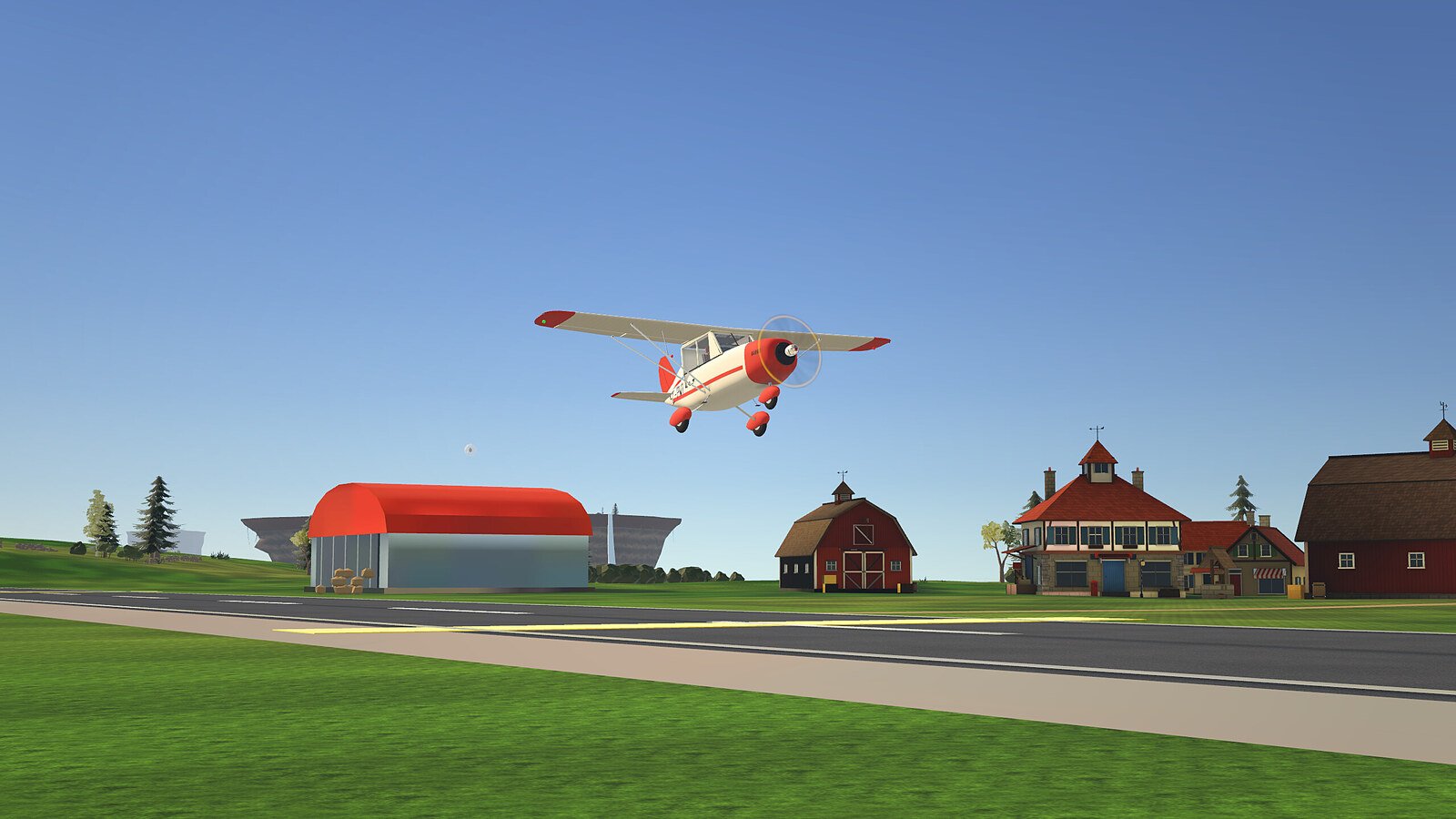
Climb into a small propeller plane and it's dark and silent. Bringing it to life takes a few steps, and doing them yourself is one of the most satisfying moments in a flying game. Here's the simple version.
1. Master switch on
The master switch connects the battery to the plane's electrics. Flip it and the panel wakes up: needles twitch and lights come on. Nothing is turning yet.
2. Ignition on
The ignition switch lets the engine make sparks to burn its fuel. Real aircraft engines use magnetos for this, which keep working even if the battery dies. In many small planes it's a key; in WingGlide it's a switch marked IGN.
3. Press START
The starter motor turns the engine over. The propeller jerks round, coughs, and catches, and suddenly everything is noise and vibration. Throttle sits just above idle while it settles.
4. Flaps and brakes
Before rolling, pilots set the flaps for take-off and release the parking brake. Flaps are panels on the back of the wing that give extra lift at slow speeds; in WingGlide the flaps lever has three positions: UP, 1 and FULL.
5. Throttle up and fly
Push the throttle forward, keep the plane straight down the runway, and as the speed builds ease back on the yoke or stick. The wheels go light, and you're flying.
Learning it in WingGlide
Every plane has a short cockpit tour the first time you climb in, and Nan Wren, your voice on the radio, talks you through the start-up on the radio if you get stuck. Real pilots use much longer checklists, but these steps are the heart of it.
Blue skies, from the WingGlide hangar
P.S. Turn things off in reverse when you land: throttle idle, ignition off, master off. Your plane will thank you.